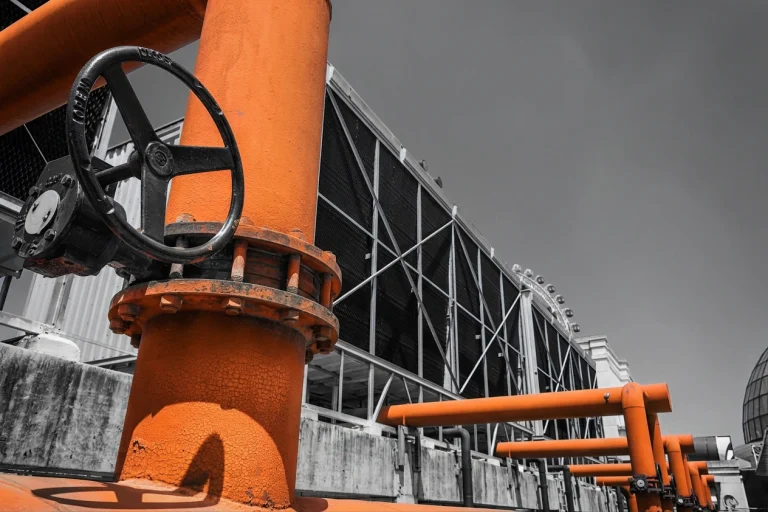
Hydraulic systems are unforgiving of errors. A poorly machined part causes leaks, pressure drop, loss of performance or breakdowns that can shut down an entire machine.
MSJ Technology has been manufacturing hydraulic components for more than 40 years, working with high pressures, repetitive cycles and constant demand.
And we make it clear: precision, reliability and materials that withstand extreme conditions.
In this article we explain it in a practical, question-and-answer format, so you understand exactly what we do and why it matters so much.
What hydraulic parts do we manufacture with CNC?
We manufacture all parts that require a perfect fit or must work without leaks.
Concrete examples:
- Hydraulic blocks
- Valve bodies and plugs
- High pressure fittings and connectors
- Pistons and cylinders
- Flanges, seats and bushings
- Internal pump components
- Distributor and actuator parts
If a part is part of the oil circuit, the flow or a hydraulic movement, we manufacture it.
Why is precision so important in hydraulics?
Because in hydraulics, precision means tightness.
The better a piece fits together:
- less leakage,
- pressure is maintained,
- less energy is lost,
- the longer the system lasts.
A deviation of one tenth can cause a leak.
CNC machining to the correct tolerances prevents this from day one.
What materials work best for hydraulic parts?
Not all metals can withstand pressure, flow, temperature or continuous contact with oil. That is why we always choose tested materials.
The most commonly used in hydraulics are:
Carbon steel
Resistant, stable and perfect to withstand internal pressure.
Stainless steel
The best choice when moisture, chemicals or corrosive fluids are present.
Aluminum 6082 or 7075
Very light, very stable and perfect for hydraulic blocks in mobile machinery.
Technical bronze
Very good behavior in friction and continuous wear.
Clear example:
A 7075 aluminum hydraulic plug reduces weight in mobile machinery without losing strength or sealing.
What problems does CNC machining solve in a hydraulic system?
Many of them. And all important.
1. Leakage at connections and valve bodies
With precise machining, surfaces seal better.
2. Premature wear
A good surface finish reduces friction and prolongs service life.
3. Loss of pressure
The CNC ensures accurate diameters to maintain the flow rate.
4. Vibrations and backlash
Correct tolerances = system stability.
5. Failures in extreme environments
Heat, cold, impact… a suitable material + precise machining prevents deformation.
What differentiates hydraulic machining from “normal” industrial machining?
The requirement.
In hydraulics, it is not enough for the part to fit.
It has to seal, withstand pressure and remain stable for thousands of cycles.
Key differences:
- Tighter tolerances
- Finer surface finish
- Specific materials
- Tighter quality control
A hydraulic part works silently, but its importance is enormous.
How do we guarantee the quality of every part at MSJ Technology?
With constant controls and well-defined processes:
- Complete dimensional measurement
- Verification of finishes
- Tightness check (according to part)
- Review of critical tolerances
- Certified materials
Every part we deliver is designed to last, resist and perform from the first assembly.
At MSJ Technology we make hydraulic parts that hold up where others fail.
If you have a component that loses pressure, a valve that fails or a fitting that wears out too quickly, we can help you redesign or manufacture it with the right material and the correct tolerance.
Because in hydraulics there is no margin for “it’ll come and go”.
📞 +34 93 655 05 35
✉ info@msjtechnology.com